
← All articles
Nutrition

Diarrhea on GLP-1 Medication: Causes, Relief Tips and When to Call (Florida Guide)

Why semaglutide and tirzepatide can upset your bowels, practical ways to feel better, and the warning signs that need a call.
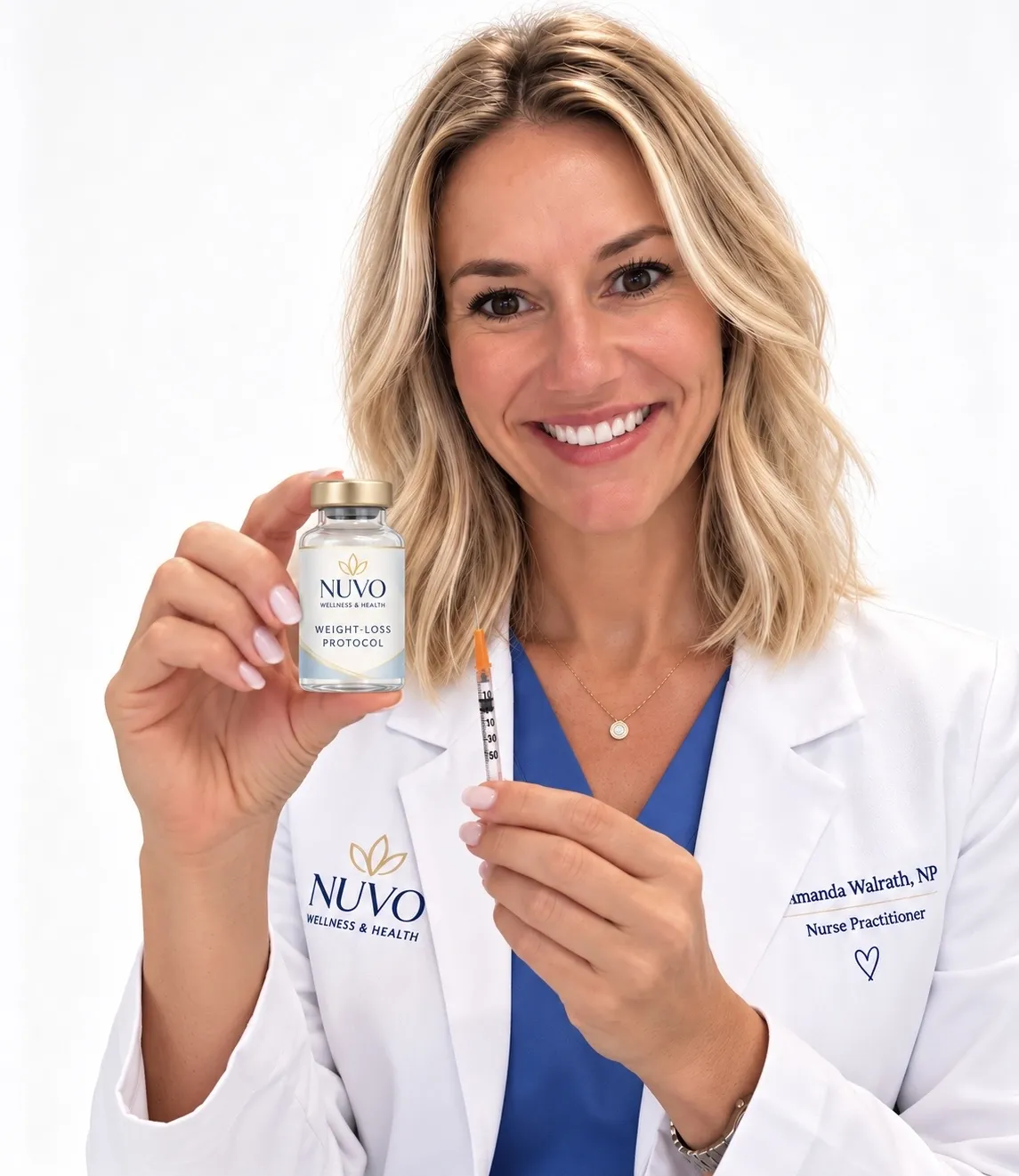
Amanda Walrath
Amanda Walrath, APRN, FNP-BCNovember 15, 2026

Have questions about your own care? Book your free consult with Amanda by video, available to adults anywhere in Florida.
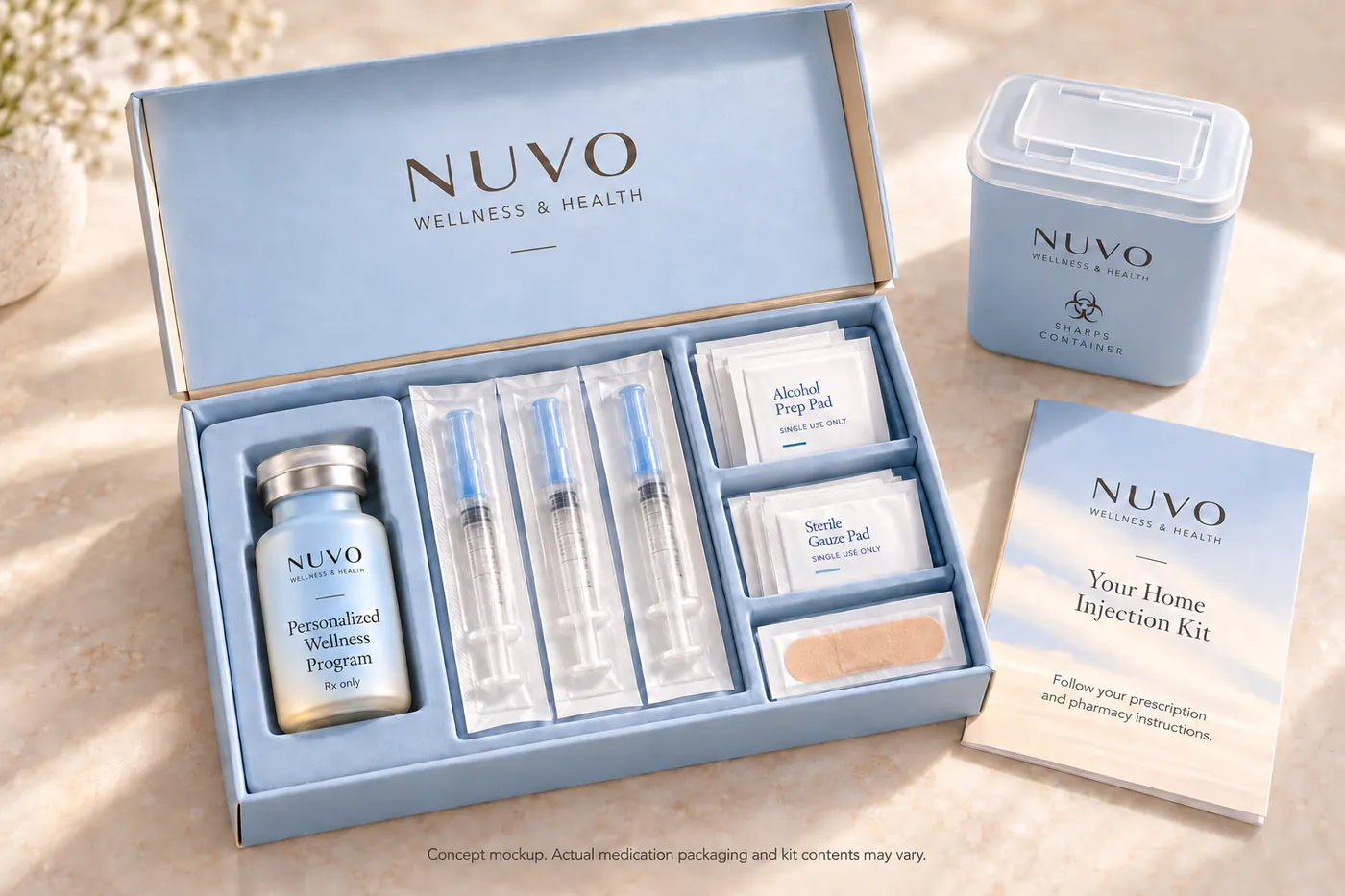
Nuvo home injection kit with vial, syringes, prep pads and sharps container Looking for medical weight loss in Florida? Get clinician-guided GLP-1 care by telehealth across Florida, starting with a free consult.See the program →

Diarrhea on GLP-1 medication is one of the side effects people ask me about most, right after nausea and constipation. Semaglutide and tirzepatide change how your digestive system moves food along, so loose stools can happen, especially in the first weeks or after a dose increase. For many people it is mild and short-lived, but in Florida heat it can also be a real dehydration risk. Here's why it happens, what usually helps, and when to call your provider.

I'm Amanda Walrath, APRN, FNP-BC, a Florida-licensed, board-certified family nurse practitioner with 17 years of clinical experience and the founder of Nuvo Wellness and Health. I started Nuvo after my own weight-loss struggle after having kids, and I've taken the same medication I offer, so I know side effects matter when you're trying to live your normal life.

Compounded semaglutide and tirzepatide are not FDA-approved and are not the same as, or generic versions of, any brand-name medication. Whether treatment is appropriate for you is decided by a clinical evaluation.

Why GLP-1 medication can cause diarrhea

GLP-1 medications act on hormone receptors in the gut and brain. They slow how quickly your stomach empties and change how food and fluid move through your intestines. That is part of why you may feel full sooner, but it can also throw off your usual digestion for a while.

Diarrhea is listed as a common side effect in the prescribing information for FDA-approved semaglutide and tirzepatide products. It tends to be most noticeable when you first start and after each dose increase, then often settles as your body adjusts. Some people get constipation instead, and some go back and forth between the two. Individual experiences vary.

Food choices matter too. Because digestion is slower, a large, greasy or very rich meal can lead to cramping, urgency or loose stools later.

Common triggers for diarrhea on semaglutide or tirzepatide

When patients tell me their stomach is acting up, we look at these first:

–Fried, greasy or high-fat meals, like fried fish baskets, wings or heavy cream sauces.
–Eating too much at once, or eating past the point of feeling full.
–Sugar alcohols such as sorbitol, xylitol and erythritol, often found in sugar-free candy, gum and protein bars.
–Alcohol, which can irritate the gut on its own.
–Very spicy foods or large amounts of caffeine.
–Adding a lot of fiber very quickly, including big salads or fiber supplements you aren't used to.
–A recent dose increase.

Not every bout of diarrhea is from your medication. Stomach bugs, food poisoning, antibiotics and lactose intolerance can cause it too, so keep your provider in the loop.

How to ease diarrhea on GLP-1 medication

These general tips often help, but they don't replace advice about your own health.

1.Eat smaller meals and stop at the first sign of fullness. Your body is giving you new signals; listen to them.
2.Choose simple, gentle foods for a day or two, such as bananas, white rice, oatmeal, toast, eggs, plain chicken or fish, and broth-based soups.
3.Go easy on fat. Grilled or baked usually sits better than fried.
4.Read labels on sugar-free snacks and protein bars and limit sugar alcohols.
5.Hold off on alcohol and limit caffeine until things settle.
6.Bring fiber back gradually once stools firm up, rather than all at once.
7.Keep a quick food and symptom note for a week so we can spot patterns together.

Please ask your provider before taking an over-the-counter anti-diarrheal, especially if you have a fever, blood in your stool or other health conditions, or take other medications.

Hydration matters, especially in Florida

Diarrhea pulls fluid and electrolytes out of your body. Add a hot afternoon in Port St. Lucie, a round of golf in Palm City or a day on the boat off Jupiter, and it's easy to fall behind without noticing. The prescribing information for GLP-1 medications also warns that dehydration from vomiting or diarrhea can, in some cases, affect kidney function, which is one more reason to take fluids seriously.

–Sip water steadily through the day instead of chugging large amounts at once.
–Consider an electrolyte drink or oral rehydration solution if you're losing a lot of fluid. If you have diabetes, kidney disease or heart disease, ask your provider which option fits you.
–Watch for signs of dehydration: dark urine, peeing less than usual, dizziness when you stand, dry mouth, headache or unusual fatigue.
–Plan ahead on outdoor days: bring water, find shade and avoid heavy meals before you go.

For more on fluids and protein during treatment, see Nuvo's article on protein and hydration on GLP-1 medication, and keep the GLP-1 Patient Guide handy for storage, injection and when-to-call basics.

When diarrhea on GLP-1 medication needs a call

Mild, short-lived loose stools are common. These are not. Contact your provider promptly, or seek urgent care, if you have:

–Diarrhea that lasts more than a couple of days or keeps coming back.
–Signs of dehydration, or being unable to keep fluids down.
–Blood in your stool, or black, tarry stools.
–A fever along with diarrhea.
–Severe stomach pain that doesn't go away, especially pain that spreads to your back, which can be a sign of pancreatitis.
–Pain in the upper right side of your belly, fever or yellowing of your skin or eyes, which can be signs of gallbladder problems.
For severe abdominal pain, fainting, confusion, trouble breathing or a severe allergic reaction, call 911 or go to the nearest emergency room.

If you think you missed a dose, or you're unsure whether to take your next one while you're sick, don't guess. Call or text Nuvo at (772) 210-4649 for guidance. Never change your dose on your own; dose increases happen only when your provider directs them, and if side effects are bothering you, your provider may keep you at your current dose longer.

GLP-1 medication isn't right for everyone. A personal or family history of medullary thyroid cancer or MEN2, pregnancy or plans to become pregnant, and any history of pancreatitis, gallbladder disease or inflammatory bowel conditions must be discussed with a provider before starting.

How to get started with Nuvo

Nuvo Wellness and Health is a Florida-only telehealth practice based in Stuart, serving adults anywhere in Florida. Care is cash-pay with no monthly membership, and side effects are part of every conversation we have.
1.Book your complimentary initial consultation online at nuvowellnessandhealth.janeapp.com, or call or text (772) 210-4649.
2.Meet with me by telehealth for a clinical evaluation of your health history, medications and goals.
3.If treatment is appropriate, your prescription is sent to the pharmacy. Allow 5 to 7 days for it to be prepared and shipped.
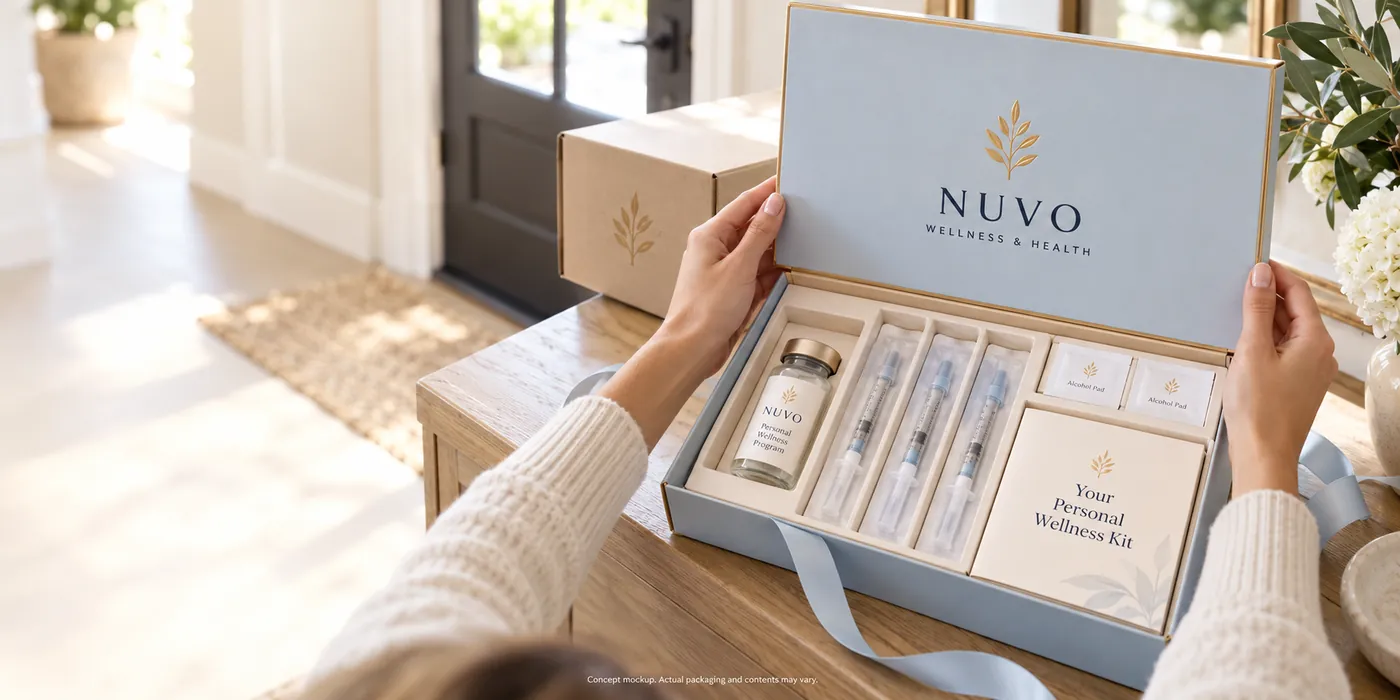
4.Your medication ships overnight cold via FedEx to your door. Keep it refrigerated and inject once weekly as directed.
5.Follow up by telehealth whenever you need to or at refill, including any time side effects come up.

Frequently asked questions

Is diarrhea a common side effect of semaglutide and tirzepatide?
Yes. Diarrhea is listed as a common side effect for both medications. It is often most noticeable when you start treatment or after a dose increase and may ease as your body adjusts. Individual experiences vary, so let your provider know how you're doing.
How long does diarrhea last on GLP-1 medication?
For many people it is mild and lasts a short time, often a day or two around a new dose. There is no set timeline. If it lasts more than a couple of days, keeps returning or comes with signs of dehydration, contact your provider.
What should I eat when I have diarrhea on a GLP-1?
Small portions of simple foods such as bananas, white rice, oatmeal, toast, eggs, plain chicken or fish, and broth-based soups are often easiest. Limit greasy and fried foods, sugar alcohols, alcohol and large amounts of caffeine, and drink fluids steadily.
Can I take Imodium while on semaglutide or tirzepatide?
Check with your provider first. An over-the-counter anti-diarrheal may be fine for some people, but it isn't right for everyone, especially if you have a fever, blood in your stool or other health conditions.
When is diarrhea on a GLP-1 an emergency?
Seek urgent care for severe or persistent stomach pain, especially pain that spreads to your back, blood or black stools, fainting, confusion, or being unable to keep fluids down. For life-threatening symptoms, call 911.
Related treatment · Virtual care across Florida
Weight Loss Program
Complimentary consult · No membership →

Wondering if treatment is right for you?

Talk with Amanda in a complimentary virtual consultation. No membership, no obligation.

Book semaglutide consultBook tirzepatide consultNot sure which? Pick either one, and we'll go over both on your call. Call (772) 210-4649