
← All articles
Nutrition

Nausea on GLP-1 Medication: Relief Tips for Semaglutide and Tirzepatide in Florida

Why semaglutide and tirzepatide can upset your stomach, everyday habits that may ease nausea, and the signs that mean you should call or get care.
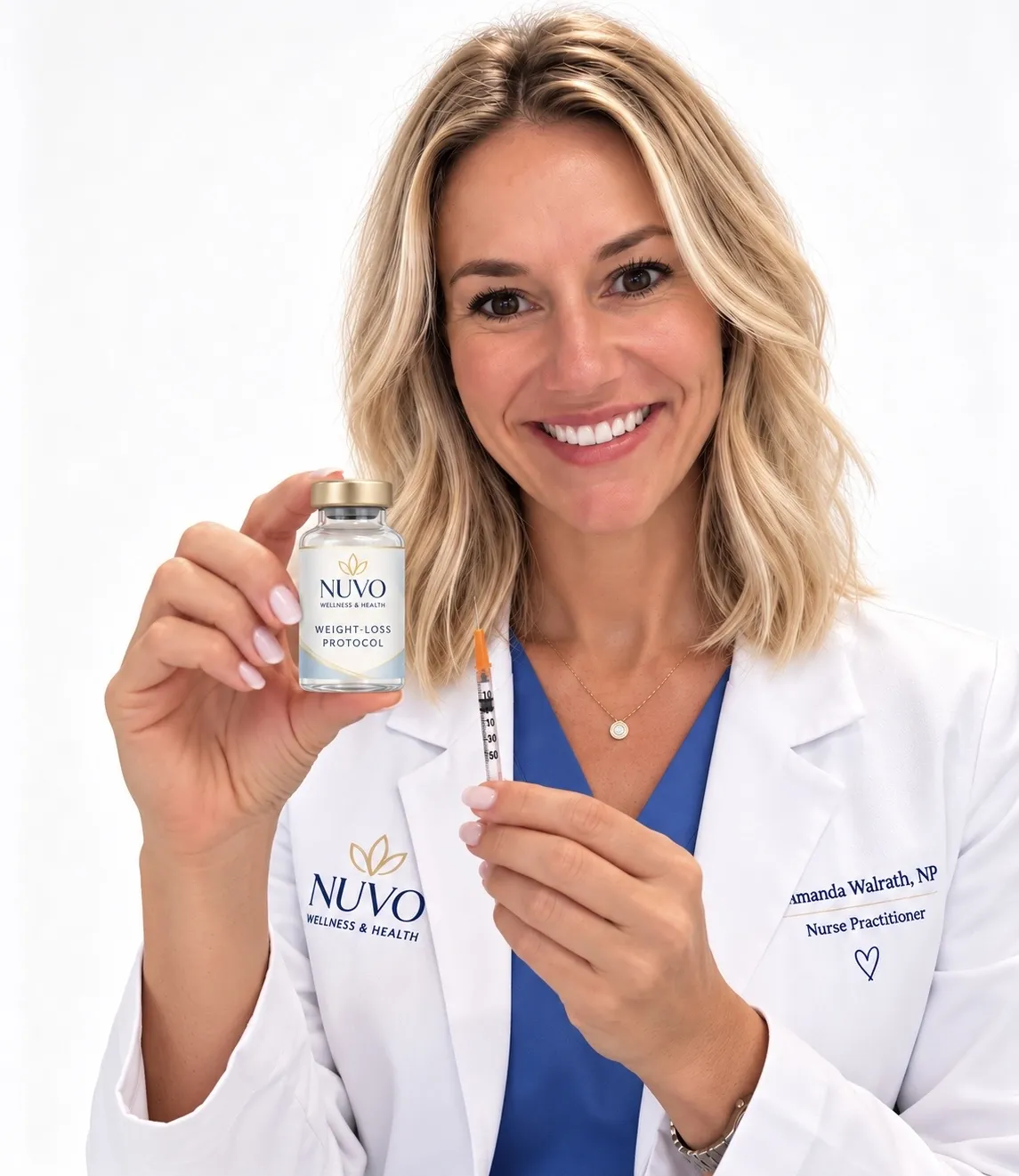

Amanda Walrath
Amanda Walrath, APRN, FNP-BCOctober 22, 2026
A patient at home on a video visit with a Nuvo provider Looking for medical weight loss in Stuart, FL? Get clinician-guided GLP-1 care by telehealth across Florida, starting with a free consult.See the program →

Nausea on GLP-1 medication is the side effect I'm asked about more than any other, and it's usually the one people worry about most before they start. The good news is that for many people it's mild, it tends to show up in predictable moments, and there are practical things you can do about it. The reasons it happens, and the habits that help, are similar for compounded semaglutide and compounded tirzepatide.

I'm Amanda Walrath, APRN, FNP-BC, a Florida-licensed, board-certified family nurse practitioner with 17 years of clinical experience and the founder of Nuvo Wellness and Health. I started Nuvo after my own weight-loss struggle after having kids, and I've taken the same medication I offer, so I know how much the first few weeks can teach you about your own stomach. This guide covers why nausea happens, what may help, and when it's time to reach out.

Compounded semaglutide and compounded tirzepatide are not FDA-approved. They are not the same as, or generic versions of, any brand-name medication. Whether treatment is appropriate for you is decided by a clinical evaluation, and this article is not a substitute for advice from your own provider.

Why does GLP-1 medication cause nausea?

Semaglutide is a GLP-1 receptor agonist, and tirzepatide acts on both GLP-1 and GIP receptors. Both slow how quickly food leaves your stomach and act on appetite signals in the brain. That's part of how they help you feel full sooner and stay full longer. It also means that if you eat the way you used to, in the same amounts or at the same speed, food can sit heavily and leave you queasy.

Nausea is listed among the most commonly reported side effects of both medications, along with diarrhea, constipation, vomiting and stomach discomfort. It tends to be most noticeable when you first start and in the days after a dose increase, and for many people it eases as the body adjusts. Everyone responds differently, and individual experiences vary.

When nausea on semaglutide or tirzepatide tends to show up

Knowing the common patterns can help you plan ahead instead of being caught off guard:

–The first few weeks of treatment, while your body is getting used to the medication
–The first week or two after a dose increase
–The day or two after your weekly injection, for some people
–After a large, rich, greasy or very sweet meal
–When you eat quickly or keep eating after you start to feel full
–When you're low on fluids, which is easy to do in the Florida heat

A simple symptom log, noting your injection day, what you ate and when nausea showed up, can reveal your personal triggers quickly.

Eating tips that may ease GLP-1 nausea

These are the habits I suggest most often:

1.Eat smaller portions. Use a smaller plate, start with about half of what you used to eat, and wait before deciding whether you want more.
2.Slow down. Put your fork down between bites and give your body time to register fullness. Stop at the first sign of feeling satisfied, not stuffed.
3.Go easy on greasy, fried and very rich foods, especially in the first days after your injection. Many people find simple, lighter meals sit better.
4.Build meals around lean protein and gentle foods. Eggs, Greek yogurt, chicken, fish, broth-based soups, rice, toast, bananas and cooked vegetables are often well tolerated.
5.Don't skip meals entirely. An empty stomach can make some people feel worse. Small, regular meals or snacks may work better than one or two large ones.
6.Sip fluids steadily through the day rather than drinking a lot at once. Cold water, sparkling water or an electrolyte drink can be easier to keep down.
7.Stay upright after eating. Try not to lie down for a couple of hours after a meal, and take a short, easy walk if you feel up to it.
8.Limit alcohol and very sugary drinks, which can make stomach upset and dehydration worse.

Nuvo's GLP-1 Patient Guide has more on eating, hydration, storage and injections, and it's a good companion to this article.

Does the dose affect nausea on GLP-1 medication?

Often, yes. Gastrointestinal side effects like nausea are frequently more noticeable after a dose increase. That's why both medications are started at a low dose and increased gradually, and only when your provider directs it. Dose increases are never automatic. If nausea is bothering you, your provider may suggest staying at your current dose longer before moving up. Please don't change your dose on your own.

If you'd like to see how each dose translates into syringe units at Nuvo's 2.5 mg/mL semaglutide concentration, our semaglutide dosage chart post walks through it. If you miss a dose, call or text Nuvo for guidance rather than guessing.

Over-the-counter remedies and anti-nausea medications exist, but please check with your provider before starting any of them, especially if you take other medications or have other health conditions.

When to call your provider or seek urgent care

Mild, occasional nausea is common. Some symptoms, though, should not be waited out. Contact your provider promptly, or seek urgent or emergency care, if you have:

–Vomiting that won't stop, or being unable to keep down fluids
–Signs of dehydration, such as dizziness, very dark urine or urinating much less than usual
–Severe stomach pain that doesn't go away, with or without vomiting, sometimes spreading to your back, which can be a sign of pancreatitis
–Pain in the upper right abdomen, fever, or yellowing of the skin or eyes, which can signal a gallbladder problem
–Signs of a serious allergic reaction, such as swelling of the face, lips or throat, or trouble breathing
For trouble breathing, a severe allergic reaction, or severe abdominal pain with vomiting, call 911 or go to the nearest emergency room.

GLP-1 medication isn't right for everyone. A personal or family history of medullary thyroid cancer or MEN2, pregnancy or plans to become pregnant, and any history of pancreatitis, gallbladder disease or severe digestive conditions must be discussed with a provider before starting. Because these medications slow stomach emptying, they can also affect how some oral medications are absorbed, including birth control pills, so share every medication you take.

How to get started with Nuvo

Nuvo Wellness and Health is a Florida-only telehealth practice based in Stuart, serving adults anywhere in Florida. Care is cash-pay with no monthly membership, and we talk through side effects like nausea at every step.

1.Book your complimentary initial consultation online at nuvowellnessandhealth.janeapp.com, or call or text (772) 210-4649.
2.Meet with me by telehealth for a clinical evaluation of your health history, medications and goals.
3.If treatment is appropriate, your prescription is sent to the pharmacy. Allow 5 to 7 days for it to be prepared and shipped.
4.Your medication ships overnight cold via FedEx to your door. Keep it refrigerated and take it as a weekly self-injection as directed.
5.Follow up by telehealth whenever you need to or at refill, including any time nausea or other side effects are making it hard to eat or drink.

Frequently asked questions

How long does nausea last on semaglutide or tirzepatide?
For many people, nausea is most noticeable in the first weeks of treatment and after a dose increase, then eases as the body adjusts. There's no set timeline, and individual experiences vary. If nausea lasts or keeps you from eating and drinking, contact your provider.
What foods help with nausea on GLP-1 medication?
Small portions of simple, lighter foods are often easiest, such as eggs, yogurt, lean chicken or fish, broth-based soups, rice, toast and bananas. Limiting greasy, fried and very sweet foods, eating slowly and sipping fluids through the day may also help.
Is nausea worse after a GLP-1 dose increase?
It often is. That's why doses are increased gradually and only when your provider directs it. If nausea is bothering you, your provider may keep you at your current dose longer. Don't change your dose on your own.
When should I worry about nausea or vomiting on a GLP-1?
Contact your provider promptly or seek urgent care for vomiting you can't stop, being unable to keep fluids down, signs of dehydration, or severe stomach pain that doesn't go away, especially pain that spreads to your back.

This article is for educational purposes and is not medical advice. Compounded medications are not FDA-approved. Prescriptions are issued only after a medical evaluation determines treatment is appropriate. Individual results vary.
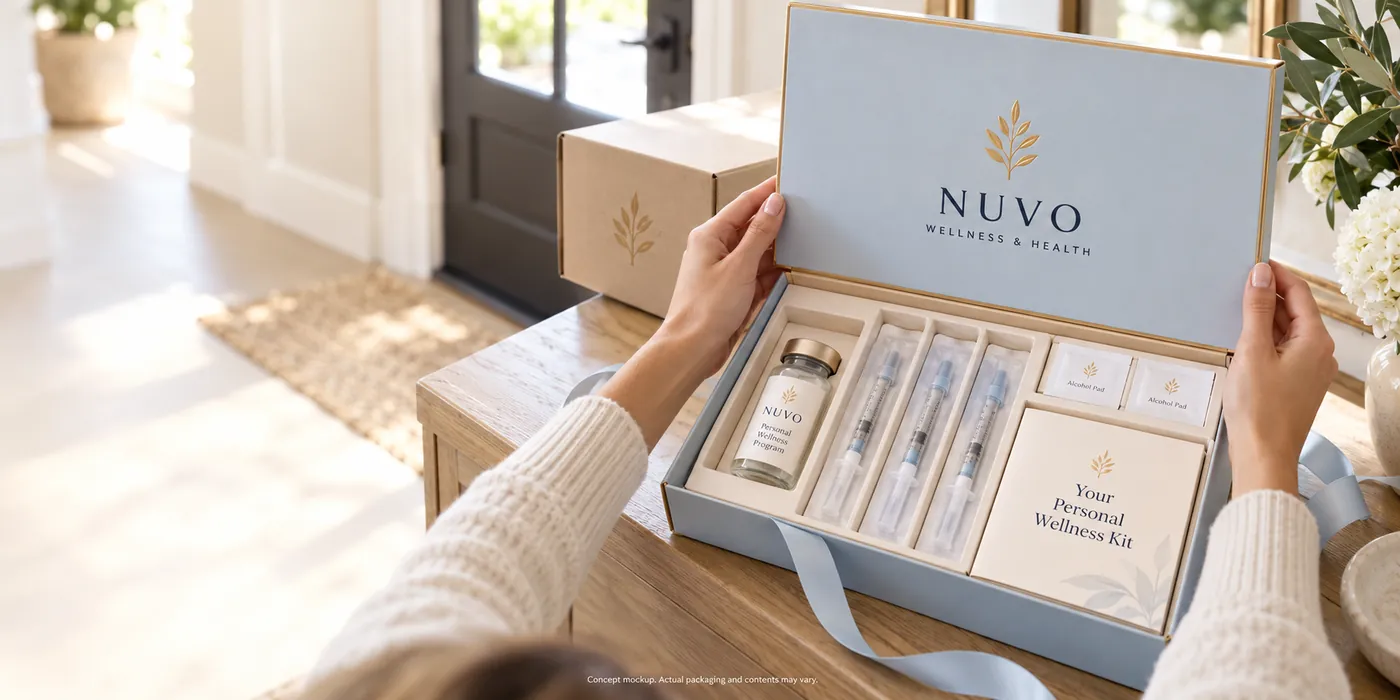
Related treatment · Virtual care across Florida
Weight Loss Program
Complimentary consult · No membership →

Wondering if treatment is right for you?

Talk with Amanda in a complimentary virtual consultation. No membership, no obligation.