Exercise and Strength Training on GLP-1 Medication: A Practical Guide for Floridians
How to move, lift and stay safe in the Florida heat while taking semaglutide or tirzepatide, with a simple weekly plan you can start at home.
 Looking for medical weight loss in Stuart, FL? Get clinician-guided GLP-1 care by telehealth across Florida, starting with a free consult.See the program →
Exercise and strength training on GLP-1 medication can make a real difference in how you feel during treatment and what you keep afterward. Semaglutide and tirzepatide help quiet appetite, but they don't build muscle, strengthen bones or improve stamina on their own. Movement does those things, and you don't need a gym membership or an intense routine to get started.
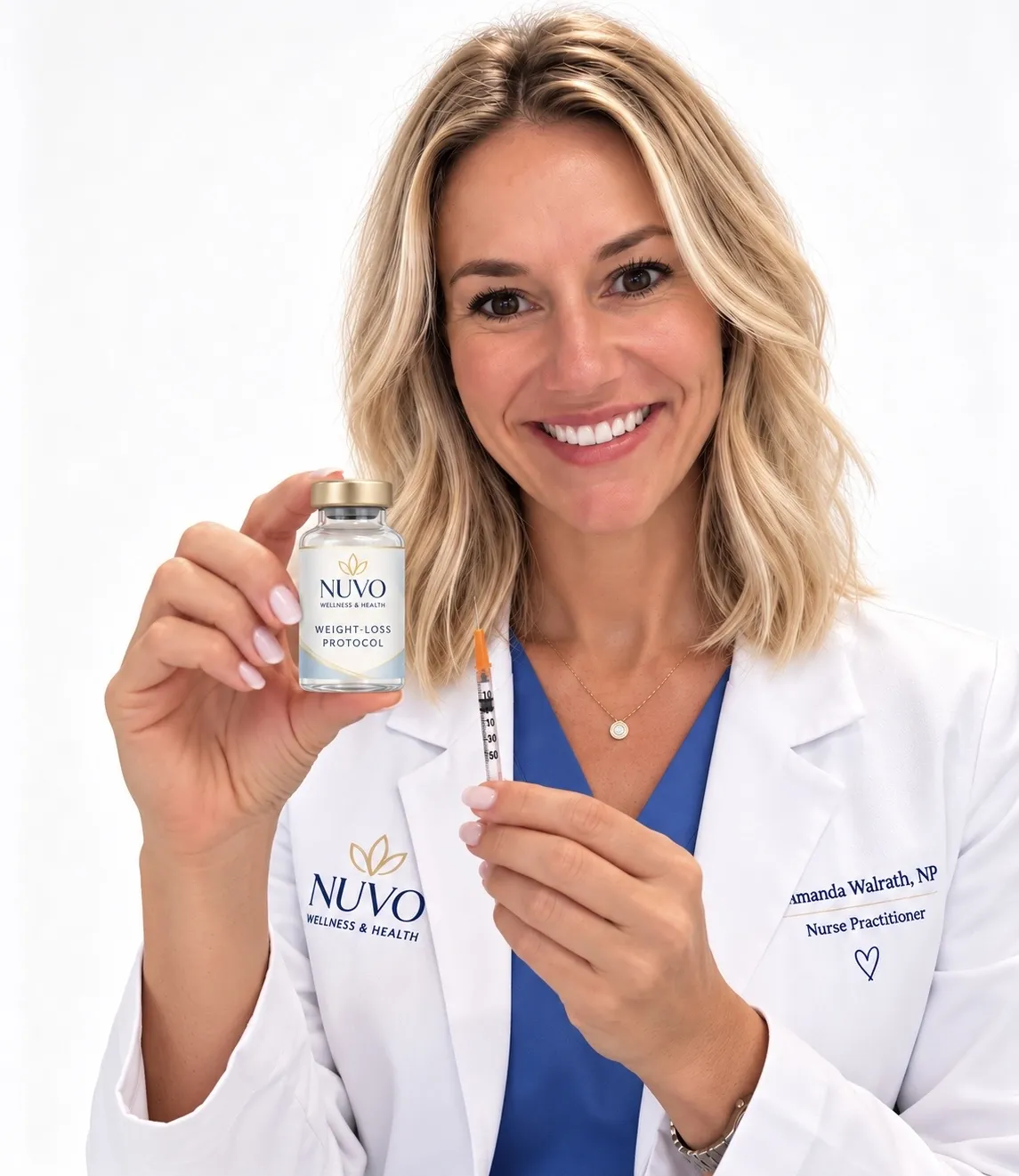
I'm Amanda Walrath, APRN, FNP-BC, a Florida-licensed, board-certified family nurse practitioner with 17 years of clinical experience and the founder of Nuvo Wellness and Health. I started Nuvo after my own weight-loss struggle after having kids, and I've taken the same medication I offer. I know how hard it can be to find energy for exercise when you're eating less, so this guide focuses on realistic, safe steps rather than perfection.
Why exercise matters on GLP-1 medication
When you lose weight by any method, some of what you lose is lean mass, which includes muscle, not just fat. Research on GLP-1 medications has found the same pattern, and that's why medical reviews of GLP-1 care consistently recommend pairing treatment with adequate protein and regular physical activity, especially resistance training.
Muscle helps you climb stairs, carry groceries, keep your balance and stay independent as you age. Keeping as much muscle as you can during treatment may help you feel stronger day to day and may support weight maintenance later, though individual results vary.
Strength training on GLP-1 medication: where to start
Strength training simply means working your muscles against resistance. That resistance can be your own body weight, resistance bands, dumbbells or machines. The CDC's physical activity guidelines for adults recommend muscle-strengthening activities that work all major muscle groups on at least two days a week, along with about 150 minutes of moderate activity like brisk walking.
If you're new to it, start small and focus on good form. A beginner routine could include:
Try one to two sets of 8 to 12 repetitions of each, resting as needed. When an exercise starts to feel easy, add a few repetitions, a heavier band or a little more weight. If something causes sharp pain, stop and check with your provider or a physical therapist.
A simple weekly exercise plan on semaglutide or tirzepatide
Here's an example week for someone easing in. If 20 minutes feels like too much, start with 10, and adjust to anything your provider has advised.
Fueling your workouts when your appetite is low
One of the challenges with GLP-1 medication is that you may not feel hungry, but your muscles still need fuel and protein to recover and grow. A few practical habits help:
Nuvo's GLP-1 Patient Guide has more on eating, hydration and activity during treatment, and it's a helpful companion to this article.
Staying safe exercising in the Florida heat
Florida's heat and humidity add a layer of risk, especially when you're eating and drinking less than usual. Dehydration can also make nausea, dizziness and constipation worse. Keep these habits in mind:
Seek urgent care for chest pain, fainting, confusion, a racing or irregular heartbeat, or signs of heat illness such as hot, dry skin or vomiting. Contact your provider promptly for severe or persistent stomach pain, especially pain that spreads to your back, ongoing vomiting or signs of dehydration.
Who should talk with a provider before starting
Most adults can safely add walking and light strength work, but some people need a more tailored plan. Talk with your provider first if you have heart disease, high blood pressure that isn't well controlled, joint problems or a recent injury, diabetes treated with insulin or a sulfonylurea, or if you've been mostly inactive for a long time.
Before starting GLP-1 medication itself, share your full health history during your evaluation, including any personal or family history of medullary thyroid cancer or MEN2, pregnancy or plans to become pregnant, and any history of pancreatitis or gallbladder disease.
How to get started with Nuvo
Nuvo Wellness and Health is a Florida-only telehealth practice based in Stuart, serving adults anywhere in Florida. We can talk through activity, nutrition and side effects at every step.
Frequently asked questions
This article is for educational purposes and is not medical advice. Compounded medications are not FDA-approved. Prescriptions are issued only after a medical evaluation determines treatment is appropriate. Individual results vary.